Meccha Chameleon

In Meccha Chameleon you start every round as a plain white character standing out in the open, and that blank body is the whole problem you have to solve before the seekers’ timer runs out. One team plays as hunters, and everyone else plays as chameleons who have to paint their bodies to match a wall, a shelf, a barrel, or whatever object happens to be nearby, then freeze and hold a pose until the round ends or someone gets tagged.
| Genre | Multiplayer hide-and-seek, party |
| Roles | Hunters and Chameleons |
| Core tool | Body-painting system |
| Players per lobby | 2 to 10 recommended |
Painting Yourself Into the Sewer and Backrooms Maps
The Sewer map is one of the stronger stages in Meccha Chameleon because its graffiti-covered walls and cramped corners give a chameleon plenty of broken-up surfaces to disappear into, without feeling too big for a hunter to sweep in time. Backrooms plays almost the opposite way. It was one of the four original launch maps, and its size works against hiders: fewer objects to paint against means a chameleon frozen on a bare wall is often just an off-color smudge waiting to be spotted.
Sugarland is the map players argue about most. Its candy-colored surfaces look like an easy playground for camouflage, but the good hiding spots are limited enough that hunters who know the map can clear it fast, which is why some hiders call rounds there lopsided before they even start.
Reading the Hide-and-Seek Mansion
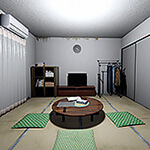
The Hide-and-Seek Mansion is the map most people picture when they think of Meccha Chameleon, and for good reason. Bookshelves, framed paintings, kitchen counters, and bathroom tiles give a chameleon dozens of distinct textures to match, and the dim lighting in some rooms hides small painting mistakes that would be obvious on a brighter stage. It rewards players who take a few extra seconds to actually study a shelf’s colors instead of slapping on the nearest matching tone.
- New hiders tend to freeze in the first open spot they see instead of scouting
- Bright, plain walls punish sloppy paint jobs far more than cluttered rooms do
- Matching a static object beats matching an empty wall almost every time
What Infection Mode Changes
Meccha Chameleon’s Infection mode turns a normal round into something closer to a snowball fight. Instead of one fixed hunter team, anyone tagged with paint instantly flips sides and joins the hunters, so the searching team keeps growing while the pool of hidden chameleons keeps shrinking. It changes how people think about hiding spots, since a mansion room that felt safe with two hunters can turn dangerous fast once four or five converted players start sweeping it.
Common Mistakes Hiders Make
Players discussing Meccha Chameleon repeat the same beginner mistake constantly: picking a hiding spot based on color alone and ignoring shape. A chameleon can match a shelf’s paint tone perfectly and still get caught because their pose doesn’t match the object’s silhouette. The janky, physics-based movement reviewers noted at launch also means sudden repositioning is risky, since a clumsy pose adjustment can give away a spot that would otherwise have held.
How many official maps does Meccha Chameleon have?
The launch map hub covers four original stages, Hide-and-Seek Mansion, Backrooms, Sewer, and Indoor Country, with additional official maps like Sugarland added afterward, plus a large pool of Workshop maps built by the community.
What does Infection mode do in Meccha Chameleon?
It converts any tagged chameleon into a hunter immediately, so the hunting team grows across the round instead of staying fixed, which pushes hiding spots that felt safe early on to become risky later.
Why do players think Backrooms is a weak map?
Backrooms is small and sparsely furnished compared to maps like the Mansion or Sewer, so there are fewer objects for a chameleon to paint against, making hiders easier for hunters to track down.
Whether you’re studying the graffiti in Sewer or freezing beside a bookshelf in the Hide-and-Seek Mansion, Meccha Chameleon comes down to the same habit every round: match the shape as carefully as the color, and never assume a spot is safe just because the paint looks right.