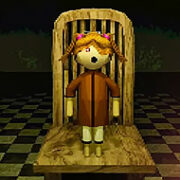
Family Time

In Family Time you start with a lone wolf, a bare den and almost nothing stored for the coming days, which matters more than anything else in the first session. Every decision about where to hunt, what to plant and when to expand the den shapes how quickly that single wolf becomes a thriving pack. The early hours are calm and slow, but the systems behind them connect tightly, and a careless start leaves the family hungry long before it grows.
| Genre | Wolf family life and survival simulator |
| Core loop | Hunt, farm, build and raise cubs |
| Main goal | Grow a small den into a large pack |
| Key resources | Food and building materials |
Building the First Den in Family Time
The den is the center of everything. It stores food, shelters the family and limits how many wolves can live together, so upgrading it early decides how fast the pack can grow. New players often spend their first resources on decoration or exploration and then discover there is no room for cubs when the time comes.
Gather building materials during quiet periods rather than in emergencies.
Builders and planners usually enjoy this part most, laying out expansions before the family needs them. The game rewards that foresight with a steady rhythm, because a bigger den lets the pack store more food and survive lean stretches without constant hunting trips.
Hunting, Farming and Keeping the Food Store Full
Food comes from two directions: hunting prey in the wild and farming near the den. Hunting brings large amounts quickly but takes the lead wolf away from home, while farming is slower but steady. The best players balance both, never letting the store drop close to empty.
A reliable daily routine looks like this:
- Check the food store first thing and note how many mouths need feeding.
- Tend the farm plots before leaving, so growth continues during the hunt.
- Hunt in nearby areas until the store is comfortable, then explore farther.
- Return home before dark and collect anything ready from the farm.
Explorers will want to wander deeper into the wild immediately, and the game does hide useful resources there. Still, pushing far before the food store is stable is the most common way early families struggle.
Raising Cubs Into a Working Pack
Once the first cubs arrive, the pace of Family Time changes. Every new wolf raises daily food needs, and young cubs cannot hunt yet, so the adults carry the load. This middle stretch is where many players feel the pressure for the first time.
By the time the cubs grow up, the pack begins to pay back. Grown wolves help with hunting and gathering, which leaves the lead wolf time for building and exploration, and the family that once barely survived starts to accumulate surplus. A pack that reaches this point can finally take on longer trips into the wild, where the richest hunting grounds and the best building materials wait.
Some players find this stage repetitive, since resource gathering can feel like a grind between den upgrades. Casual players often prefer short sessions here, checking in to feed the pack and expand a little rather than playing for hours.
Questions New Family Time Players Ask
How do you grow the pack faster?
Upgrade the den before you need the space, keep the food store well above daily needs, and let grown wolves take over hunting. The pack grows fastest when the den, the farm and the hunting routine all expand together. Rushing cubs without enough food only slows things down.
Is hunting or farming better for food?
Hunting gives bigger amounts in a short time, while farming produces smaller but steady harvests near the den. Early in the game hunting carries the family, but farm plots become essential once several cubs need feeding. Using both keeps the food store safe during lean days.
What should you do when food runs low?
Stop exploring and focus on short hunting trips close to the den. Harvest anything ready on the farm and delay building projects until the store recovers. Once the adults are well fed, the pack can return to its normal routine.
Family Time is about patience and planning: a well-built den, a full food store and a balanced mix of hunting and farming turn a lone wolf into a large and thriving pack. Keep the farm plots tended, prepare space before cubs arrive, and the family grows steadily from one small den into a pack that runs the wild.